
Lighting Automation 2018-07-31T16:57:08+00:00

Lighting Automation

Lighting automation is now becoming the rule rather than the exception, according to a new study funded by The Watt Stopper and conducted by Ducker Research. The study, consisting of telephone interviews from a sample of 158 facility managers, electrical engineers, and architects, found that lighting automation is being used in a majority of new construction and renovation projects in the office and school markets.

Building managers and owners, as well as specifiers, want the advantages of lighting automation – such as energy savings and energy code compliance – but also want simple, low-cost solutions.

The lighting systems can be fully optimised and integrated with the building management system.
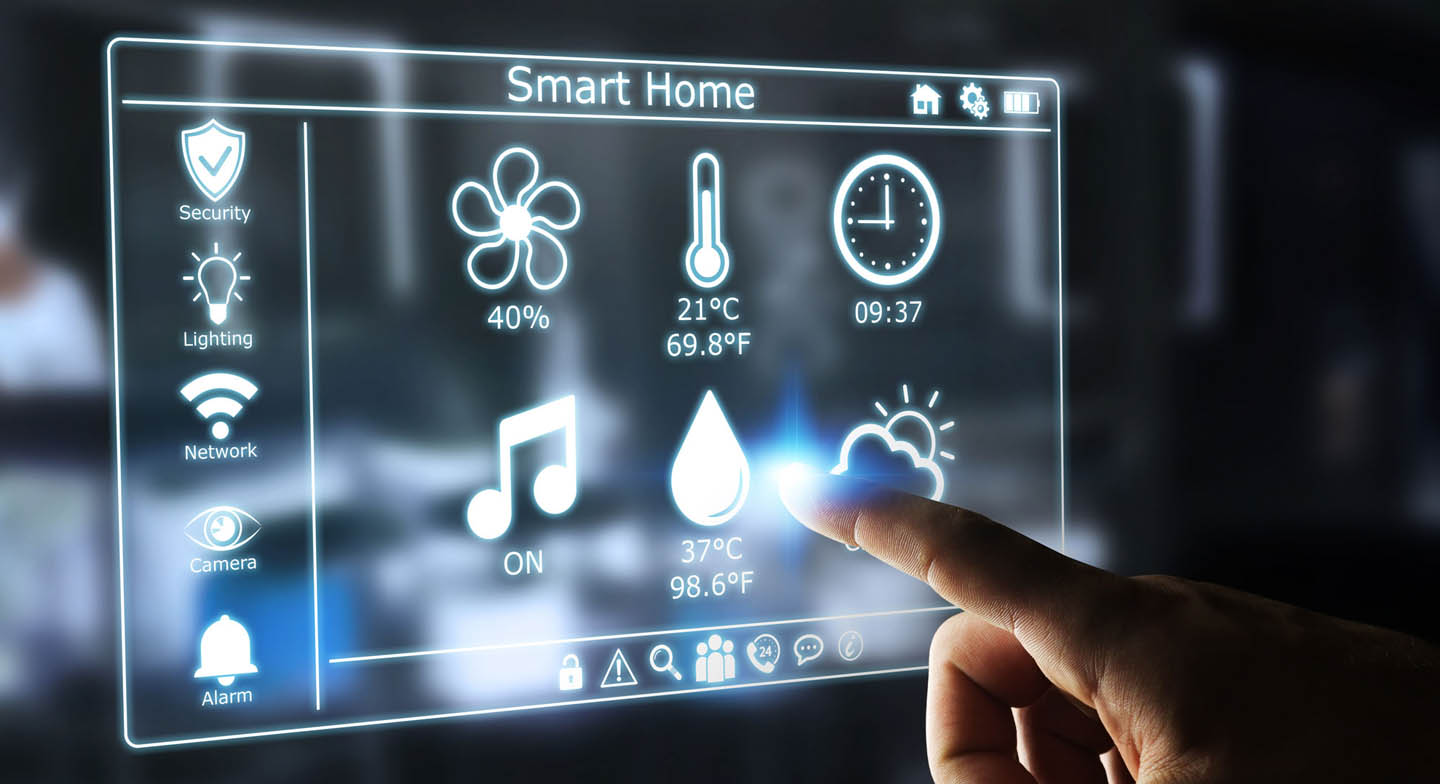
Some examples of this:

  • Use the information of presence detectors of the security system to switch on the light in each zone only when needed, and at the same time actuate on HVAC setting the heating/aircon in stand-by mode when there is no one and back to comfort mode when there is someone
  • Dimming appropriately the luminaries and actuate on window blinds to reach the optimum light level in each zone at any time according to information provided by light level sensors
  • Control of lighting from the BMS
  • Logging of data for energy consumption
  • calculations
  • Automated notifications to maintenance workforce when lights are failing or are about to reach end-of-life.

FAQ’s

If your budget is not an issue, sure! However, most times it is not cost effective or beneficial to automate certain lights.

Lights that should: entry/exit lights, outdoor lights, garage lights, stairs/hallways, rooms with 3 or more lights.
Lights that should not: closets, storage rooms, areas that will not be used often. 
Lights that can go either way: children’s bedrooms.

None. The lights can communicate without any new wiring.

Get Started

Request a Quote

Click Here